

#11. Minimalism Will Make You Dangerously Focused
 Tags:
lifestyle minimalism
Tags:
lifestyle minimalism
 Date Published: 2026-04-24
As a philosophy
Minimalism is an art movement that evolved past its inception to become a philosophy that encompasses simplicity, moderation, and restraint.[1]
The problem minimalism combats
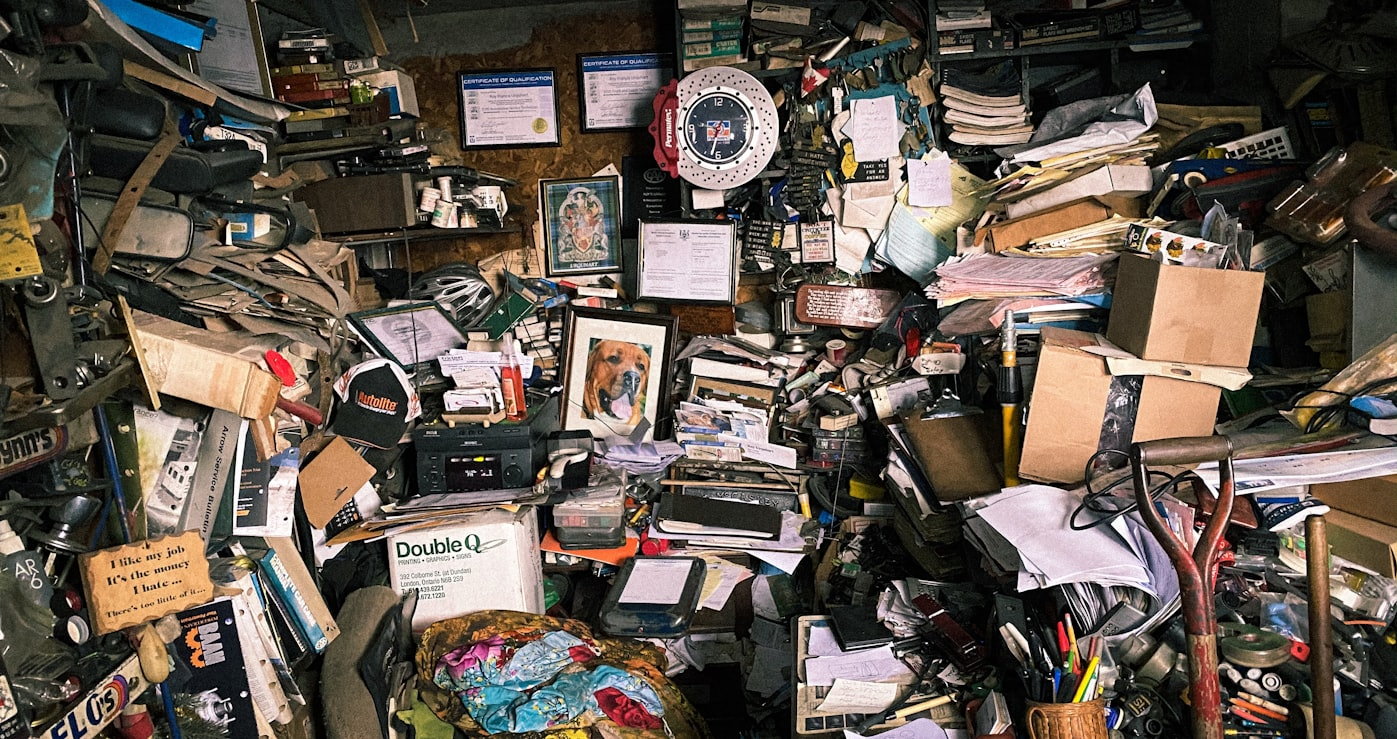
The modern capitalist era is drowning people in stuff they have to buy, else their lives will be drastically worse. One cannot be too mad at the contemporary marketing tactics, however. It is those marketers' prerogative to sell their products to as many people as possible.
It is a simple fact that our money, and especially our attention, are limited. Time spent using one product is time spent away from another.
Choice is inherently good. It enables you to build your own personality and affirm your existence in this world.
But much like any good thing, too much of it is a bad thing.
When you buy one hundred products, but you only use ten on a daily basis, a few questions arise:
- Were the other products a waste of money?
- Why did I buy them in the first place?
- Should I keep them?
- Should I throw them away?
- Can I sell some of them?
- and many more...
Complexity invites chaos.
Your physical objects, digital apps, and daily thoughts create an interconnected system of unparalleled complexity.
And too much complexity is the enemy of focus.
Minimalism gives mental clarity
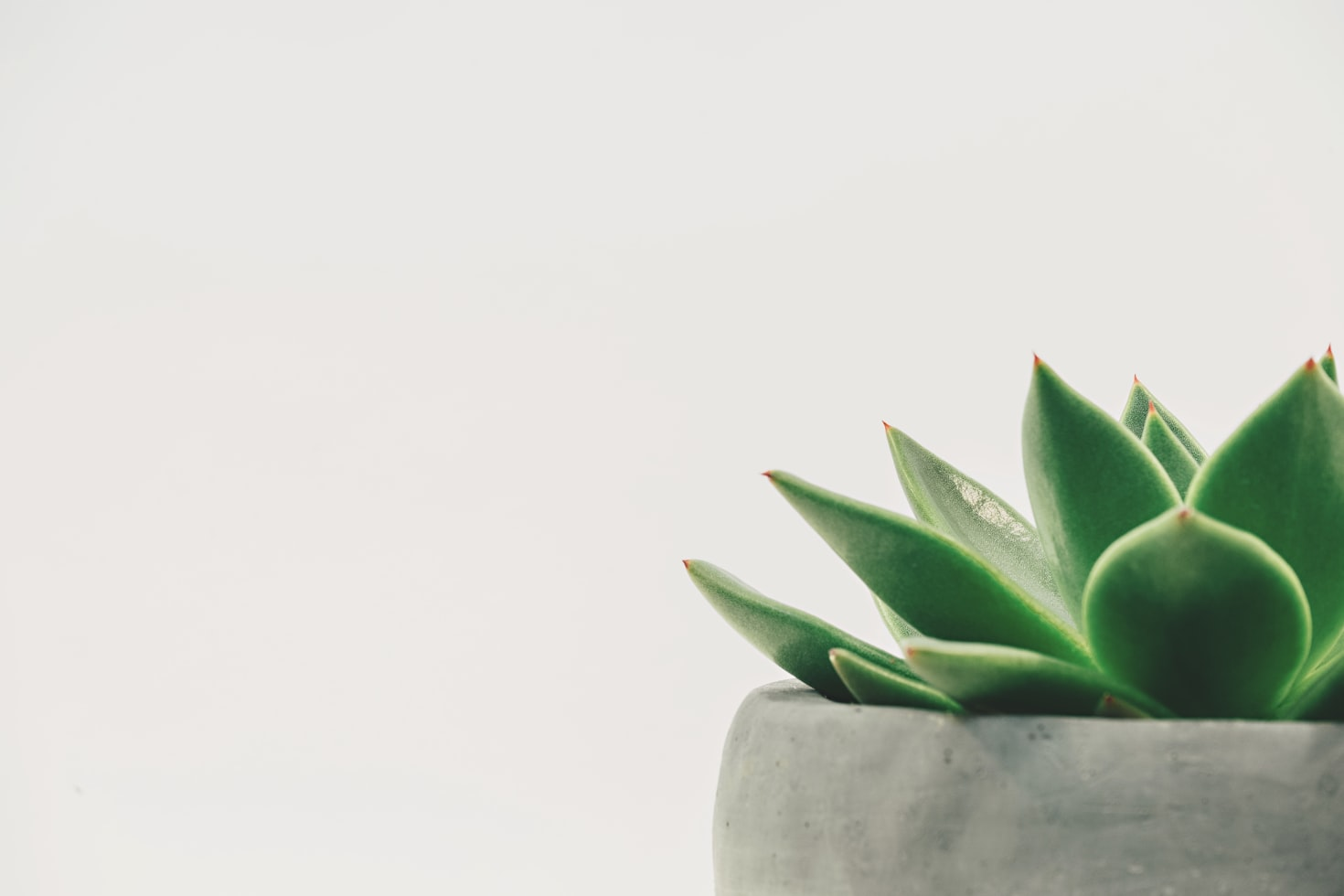
When your physical and digital spaces are cluttered, your own mind is cluttered. Focus demands mental clarity.
Minimalism can be hard to start, so your initial actions in this pursuit should be simple and effective. They shouldn't take more than fifteen minutes for you to feel like you're making progress.
Below are six simple ideas and tactics to become more minimalistic...
Digital Minimalism
- Never have more than one or three browser tabs open.
- Clean your desktop and place every file on it in a single folder.
- Clean your phone's home screen to only show the apps that truly add something positive to your life, or clear it entirely, and depend on the search functions of the app menu to find whatever app you need in the moment.
Physical Minimalism
- Clean one room in your home.
- Look into your wardrobe and donate or sell clothes that you haven't worn in a long time, regardless of how good they look on you.
- Declutter your main desk and keep devices essential to your work.
Against minimalism

In the lifestyle area there are some people that do like to be maximalists,[2] and thrive in that kind of environment. For some points against minimalism:[3]
- You can give away sentimental things that can't be replaced.
- You can give away practical things that would increase in price in the future.
In the art area, minimalism tends to be overused nowadays. Website UI's, video game menus, café lounges, and more use monochromatic color schemes and simple geometric shapes, leading to uninspired and repetitive designs.
Ultimately, you should use the styles that best reflects your being.
- Are you overwhelmed easily, or not?
- Do value organization and cleanliness above all else?
- Can you spare the time to look at your possessions and decide what to do with them?
- Do you have a demanding job that would require a simpler home?
- Do you work from home and derive value from having everything you would ever need in your living space?
Deep journaling and introspection are a must when deciding such pivotal frameworks and lifestyle changes.
Just remember, minimalism isn't about throwing everything away, it's about using what you already have, without buying more unnecessary clutter, while being intentional with each and every object.